Process

A very general guide to my ways of working 😄

01.

Discovery

The goal of untangling customer problems early in the discovery phase is to get insight into the width and depth of the problem. It is crucial to empathise with the customer, and figure out what their needs are.


Methods:

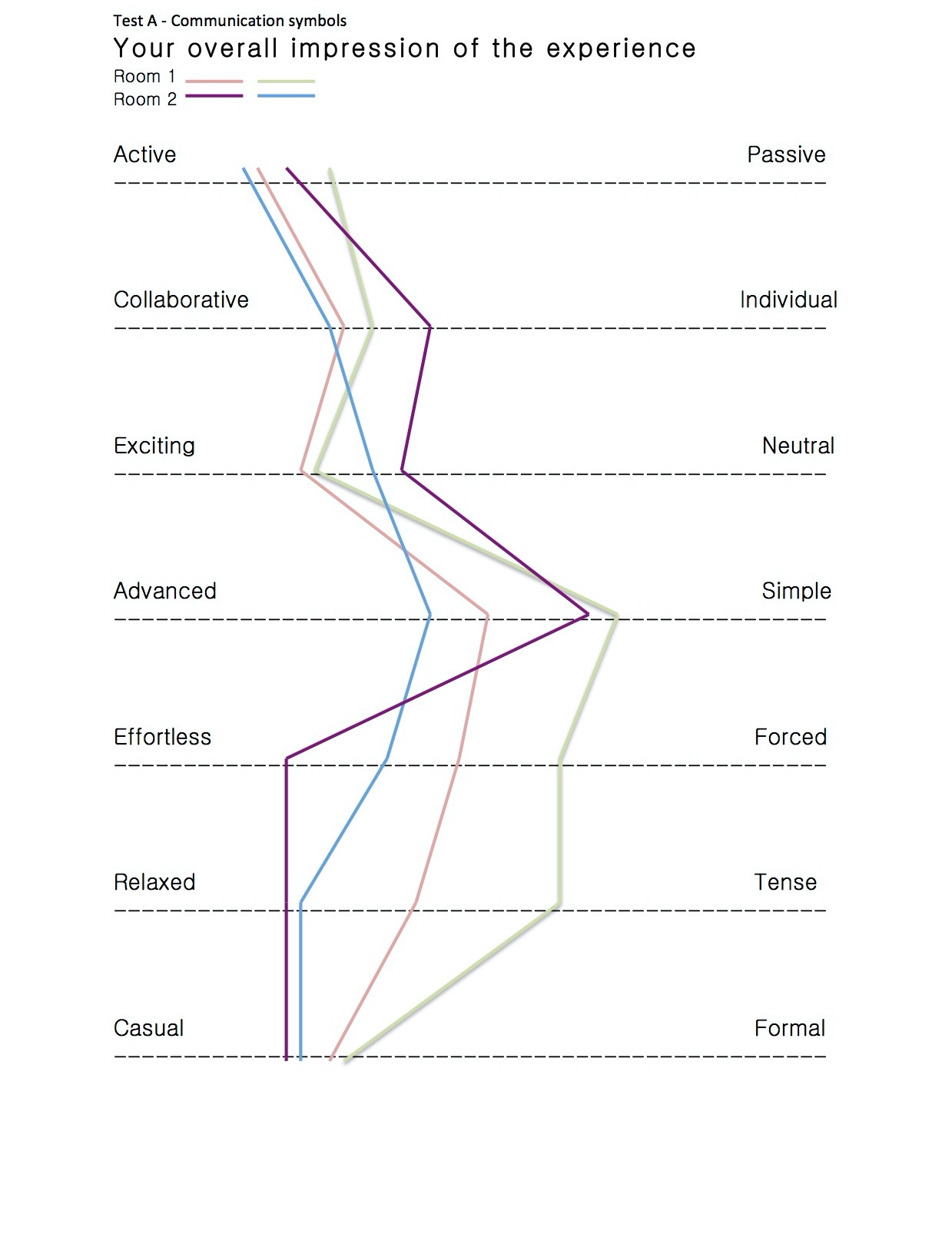
Workshops, surveys, semi-structured interviews, focus groups, data aggregation, insight analysis


Tools:

ClikView, Grafana, Capturi, Looker Studio, Google Analytics, FigJam


Problem to solve

Synthesising user insights into user journeys and comprehensive data visuals is a way to present various user needs to stakeholders involved in the discovery process.

Having the stakeholder team involved in these steps and engaged in the research is key to reaching alingment and a shared understanding 💡.

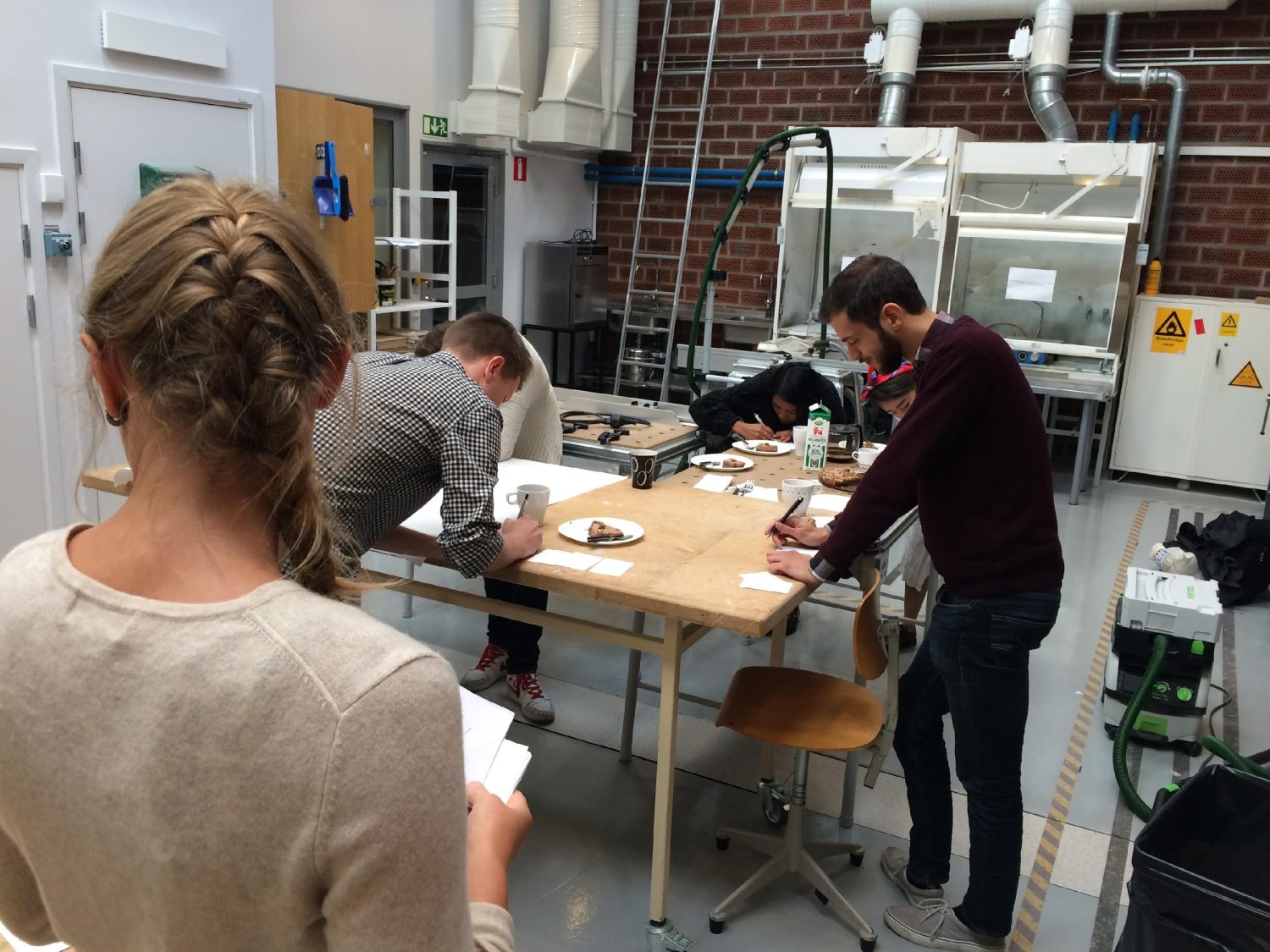
Running workshops, interviews, observation studies, and listen-ins are a crucial part in that process.
02.

Ideation

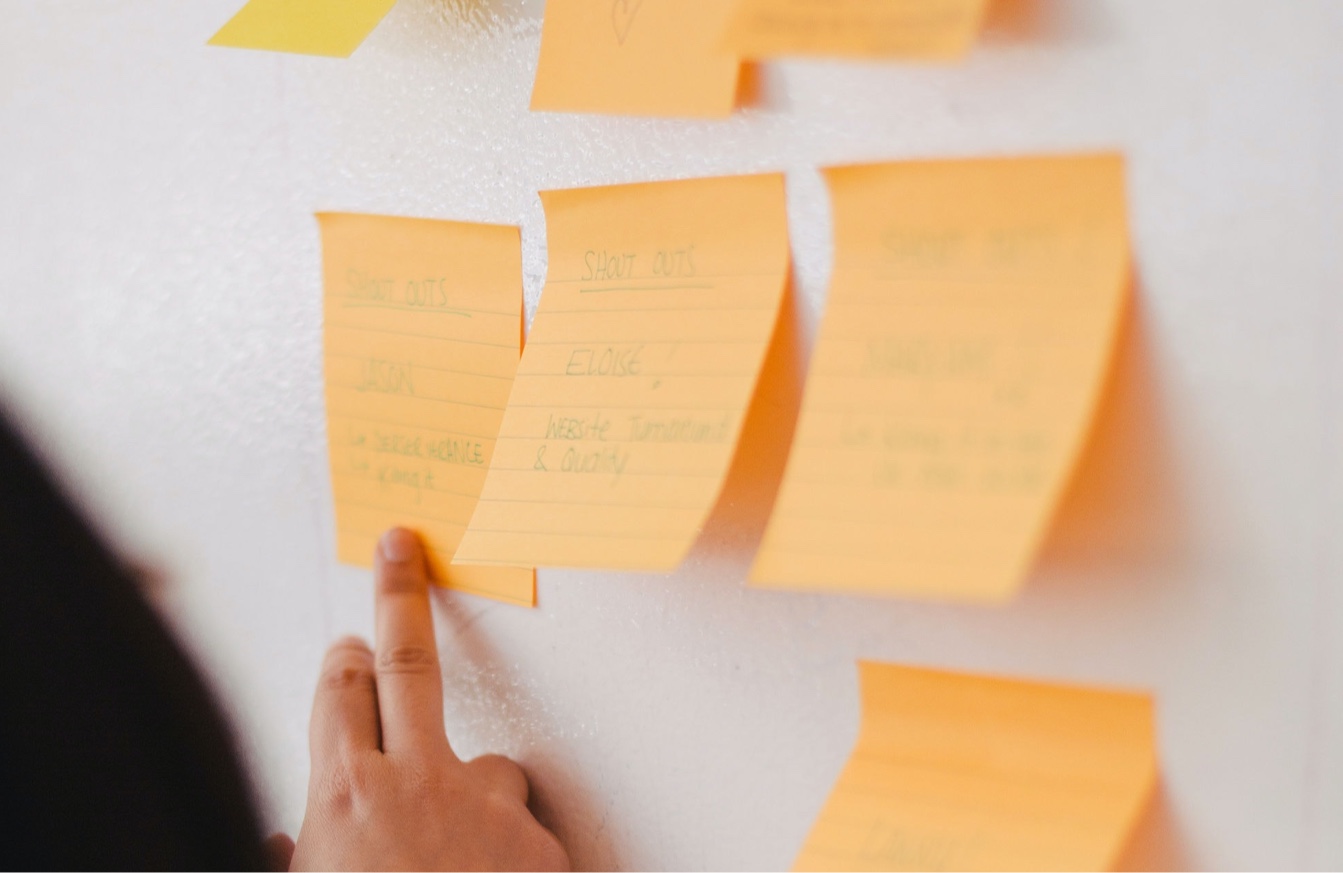
Next step would be to bring insights to ideas of how we might help that underlying need. I typically run workshops in FigJam or with post-its with relevant stakeholders for larger opportunities, and ideate as we go with the team for smaller problems.


Methods:

Brainstorming, dot-voting, oportunity solution tree


Tools:

FigJam, post-its, whiteboard


Sketch

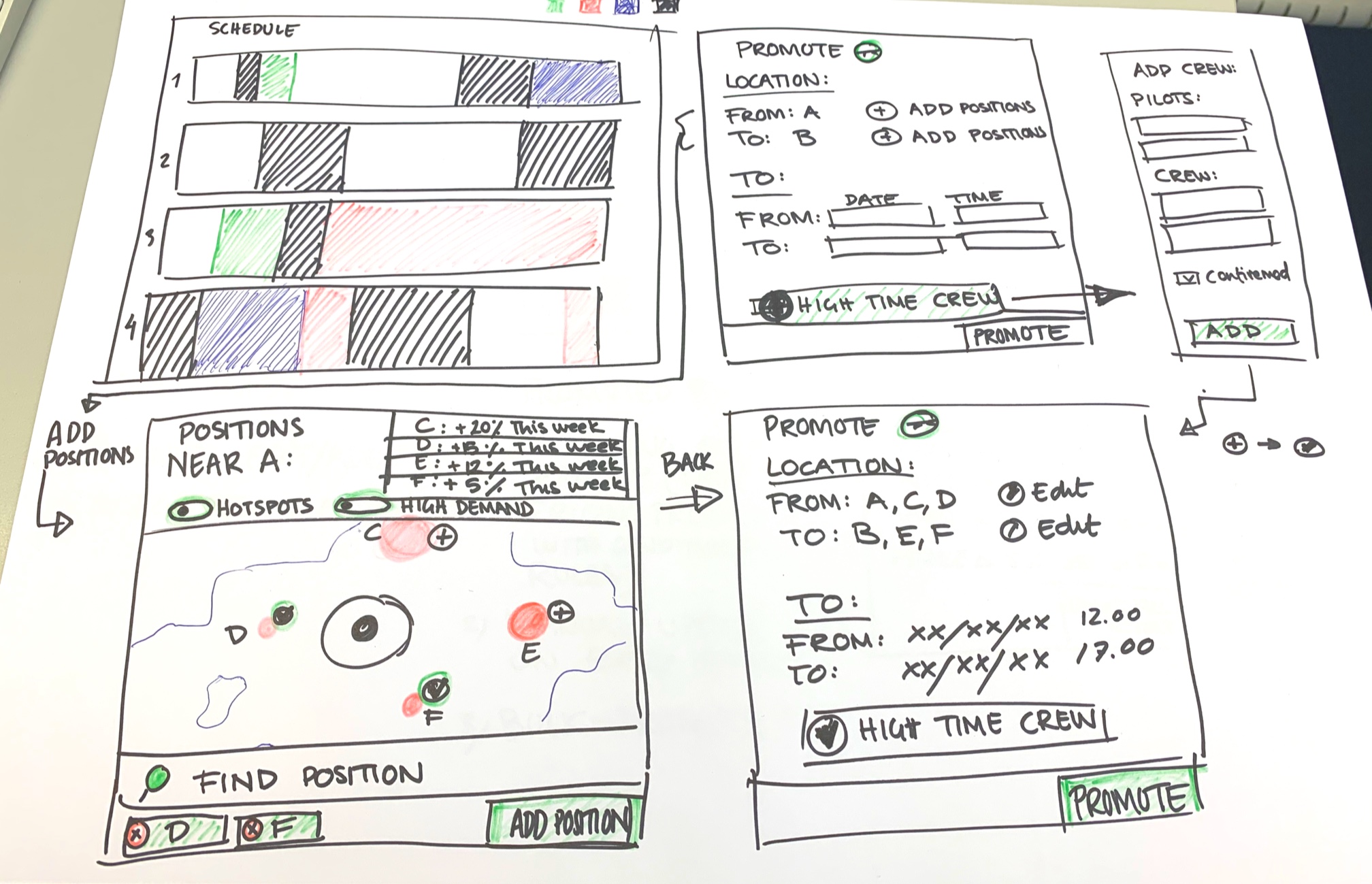
Once the ideation has been carried out, what I'd typically do is start sketching out wireframes for how the idea might work. If we're doing a Design Spint, everyone in the group participates.

When I have a rough visual, I'll share it with the team who was part of the ideation for initial feedback. I might also verify it with the target users, depending on the size of the project.

Refinement

As the experience is refined, the design will start to get more and more test-worthy. The way I see it is that the concept should get more and more "pixel perfect" with every feedback loop, keeping people involved and engaged throughout the journey. For a small scope this might be done within a day, for a large intiative this might take weeks.

A rule of thumb is that design is never done, as customer problems are endless and ever changing. At some point though the design will be "good enough for now, safe enough to try" for a MVP. Demoing the progress to everyone with stake will help determine when this point has been reached and what the MVP scope should entail.


03.

Testing

Give the actual users a chance to provide feedback on the product you're building for them and if it fulfills their needs. It perhaps goes without saying that it's more expensive to change the design after you've built it in code, than in a prototype 😊


Methods:

Concept testing, Usability testing, Surveys, Internal presentations


Tools:

Figma, Useberry, Invision


Concept & usability test

Every initiative has a different scope, but a rule of thumb is to test at least with 5-10 users per iteration. This rarely happens in reality within a smaller org: more likely it's a few users per large bet, where the stakes are higher. When I've worked for larger corporations though it's been more of a ritual as something you do for each initiative.

I typically prepare the tests with a set of research questions based on our hypothesis, and eventually turn them into interview quiestions. Depending on the outcome of the tests, I might tweak the design for another iteration.

04.

Development & Design

The product team divides the scope of development with refinement, sprint planning and story mapping, ensuring we build it with the most essential functionality first - test - and continue. In this way we can learn as we go. As we get to production, we aim to release a first version which we can get feedback on for iteration.


Methods:

Story mapping, Sprint planning, Refinement, Design Guidelines, Iteration plan.


Tools:

Figma, Jira, Test-server, Grafana, Google Analytics


Design delivery

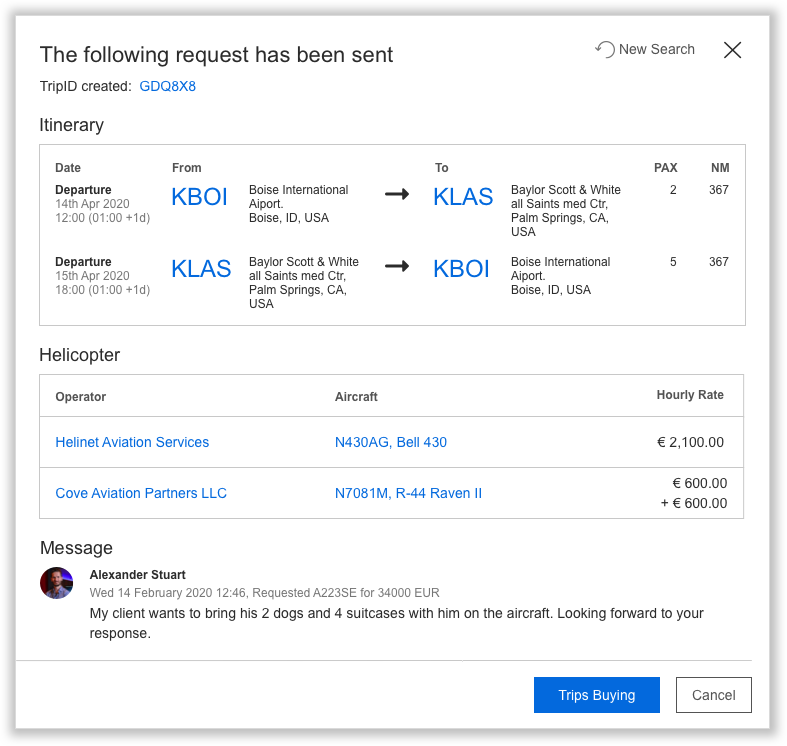
I typically present the design in scenario flows in Figma, allowing the developers and other stakeholders to follow the customer through a happy path, error path etc. There might be a need for a protoype for interactivity, and some new guidelines in our design system if we build new components.

Following up on the release through closely monitoring KPIs, customer feedback and interactions helps us determine whether we've successfully solved the problem in a valuable way.